
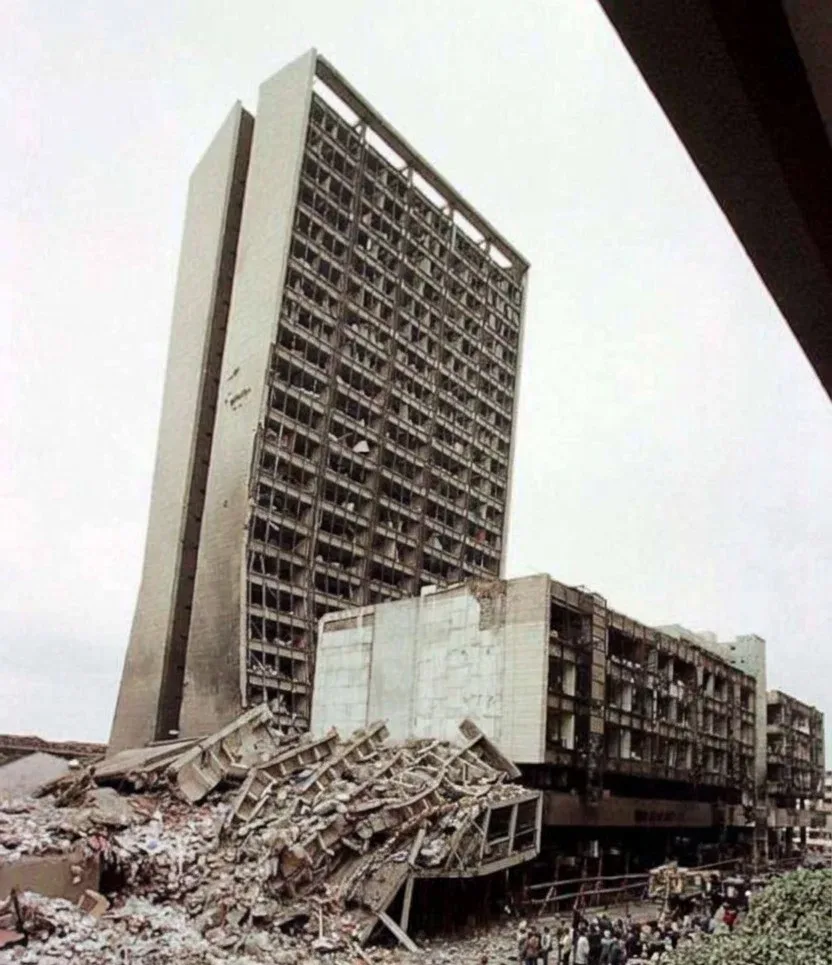
Twenty-eight years after the August 7, 1998 US Embassy bombing in Nairobi, victims and survivors continue to live with the physical, psychological, social and economic consequences of the attack.
For nearly three decades, those affected have pursued recognition, justice and compensation through successive Kenyan governments, engagements with the United States Government, legal processes in the United States and proceedings before Kenyan courts. Despite these sustained efforts, a comprehensive and lasting resolution of their grievances remains outstanding.
The Consortium of August 7th, 1998 Bomb Blast Victims and Survivors acknowledges the work of the Senate Ad Hoc Committee on Compensation, chaired by Senator Agnes Kavindu, whose recommendations provided an important framework for addressing the survivors’ longstanding concerns. However, the implementation of these recommendations remains a matter of concern. The survivors are yet to see the tangible outcomes they had hoped for.
We believe that the passage of time should not diminish the responsibility of relevant institutions to address the legitimate claims of those affected. Many survivors continue to contend with disabilities, long-term medical needs, psychological trauma and economic hardship. Some have passed away without receiving meaningful redress, while others remain dependent on families and limited personal resources to manage the consequences of the bombing.
Our position is clear: The survivors deserve recognition, dignity, accountability and fair compensation.
We therefore call upon:
- The Government of Kenya to provide a clear and actionable framework for addressing the survivors’ outstanding claims, including the implementation of relevant parliamentary recommendations and appropriate provision for medical care, rehabilitation and compensation.
- The Government of the United States to engage constructively with the Kenyan Government and the Consortium towards a fair resolution of the survivors’ grievances, including greater clarity and accountability regarding the assistance committed in the aftermath of the bombing.
- Parliament and the relevant government institutions to follow through on the recommendations of the Senate Ad Hoc Committee and ensure that the survivors’ concerns receive the necessary legislative, administrative and budgetary attention.
- The Judiciary and relevant legal institutions to facilitate access to justice and ensure that the survivors’ claims receive appropriate consideration within the applicable legal frameworks.
- All relevant stakeholders to recognise the continuing medical, psychological and socio-economic needs of the survivors and support practical interventions that safeguard their dignity and wellbeing.
We also call for greater transparency regarding the humanitarian and rehabilitation assistance committed following the bombing. A clear account of the programmes undertaken, resources utilised, beneficiaries reached and outcomes achieved would help address longstanding concerns and strengthen public confidence.
Our appeal is not driven by a desire for sympathy or preferential treatment. It is grounded in the principles of justice, fairness, accountability and the recognition of the rights and dignity of people whose lives were permanently altered by an act of terrorism.
The survivors have waited for 28 years. Many are now elderly, and their needs are increasingly urgent. Further delays risk making meaningful redress unattainable for some of those who have waited the longest.
We remain committed to pursuing a constructive and lawful resolution through engagement with the relevant institutions. However, this engagement must now translate into concrete action, measurable commitments and an implementation timetable.
Twenty-eight years is too long to wait for justice. The survivors deserve recognition, accountability and a lasting resolution within their lifetime.
Justus Kimathi
Chairperson
Consortium of August 7th, 1998 Bomb Blast Victims and Survivors
Nairobi, Kenya